Teaching About Disabilities Through Children’s Literature
Many research studies have demonstrated the importance of picture books, read-alouds, and literature for young children in increasing their understanding of social issues, diverse perspectives, and different cultures. Using children’s books in the classroom, both fiction and nonfiction, can help students make real-world connections and broaden their perspectives, especially when incorporating literature by and centering people who have too frequently been underrepresented in educational literature because of their race, gender, sexual orientation, or disability. When students engage in a classroom discussion about the books they read, they can actively consider alternative perspectives. When it comes to children’s literature that centers on disability, there is a growing number of picture books, graphic novels, and early readers that provide educators with strength-based representations of people with disabilities. Finding strength-based representation is important, as studies have shown that children’s literature can significantly influence children’s attitudes toward stereotypes, both for students with and without learning disabilities, underscoring its pivotal role in the classroom and beyond.
Defining disability in education
The United States federal government defines people with disabilities as “someone who has a physical or mental impairment that substantially limits one or more major life activities.” The definition is broad. It includes many different types of disabilities, such as intellectual disabilities, physical impairments, and developmental disabilities.
Under the Individuals with Disabilities Education Act, there are 13 categories of disabilities that students can fall under (though IDEA does not recognize only 13 disabilities). These categories include:
Specific learning disability (such as dyslexia, dyscalculia)
Speech or language impairment (such as a lisp or a stutter)
Other health impairment (such as ADHD, Tourette syndrome, or epilepsy)
Autism Spectrum Disorder
Intellectual disability (such as Down Syndrome)
Emotional disturbance (such as depression or bipolar disorder)
Developmental delay
Multiple disabilities
Hearing impairment, including deafness
Visual impairment, including blindness
Traumatic brain injury
According to the United States Department of Education, 15% of schoolchildren aged 3-21 (7.5 million children) received special education services in public schools during the 2022-2023 school year. In New York City, 18% of public school students receive these services. Because so many students receive special education support, representing people with disabilities in literature is essential from elementary school to middle school and beyond, to ensure these students see themselves reflected in what they read.
Using children’s books for teaching students about people with disabilities: Why representation matters
Ableism refers to discrimination against people with disabilities, arising from stereotypes and biases that result in inequitable treatment. Rooted in the notion of a “perfect” body, ableism leads society to impose limiting structures and viewpoints on individuals with disabilities. These ableist attitudes influence classroom and broader interactions, affecting both typically-developing children and students with disabilities. Research indicates that children’s literature can be a powerful tool for changing students’ perceptions of disabilities, improving understanding, and challenging societal stereotypes. Such literature not only supports students with learning disabilities but also encourages them to see themselves as capable of making choices and growing.
What is the strength-based representation of adults and children with disabilities in literature?
Books are powerful tools to shape understanding of the world, societal structures, and the lives of individuals. Reading can increase empathy, strengthen awareness, and recognition of experiences both similar and unlike our own. To build confidence and encourage a growth mindset when overcoming challenges, students must see themselves represented in the literature they read. This is especially important when seeking books about people with disabilities, since there has been a historically low amount of representation—especially strength-based representation. A strength-based representation of people with disabilities emphasizes the characters' abilities and strengths in the narrative. In these books, characters with disabilities are self-aware, making choices and taking action to further the narrative, and are presented with opportunities that allow them grow and develop further as people. Strength-based representation is important, both for typically-developing students to see people with disabilities as having agency, strength, and ability, and for students with disabilities to see themselves powerfully represented. Children learn better when they have confidence and trust in their abilities, which is why strength-based representation is so important.
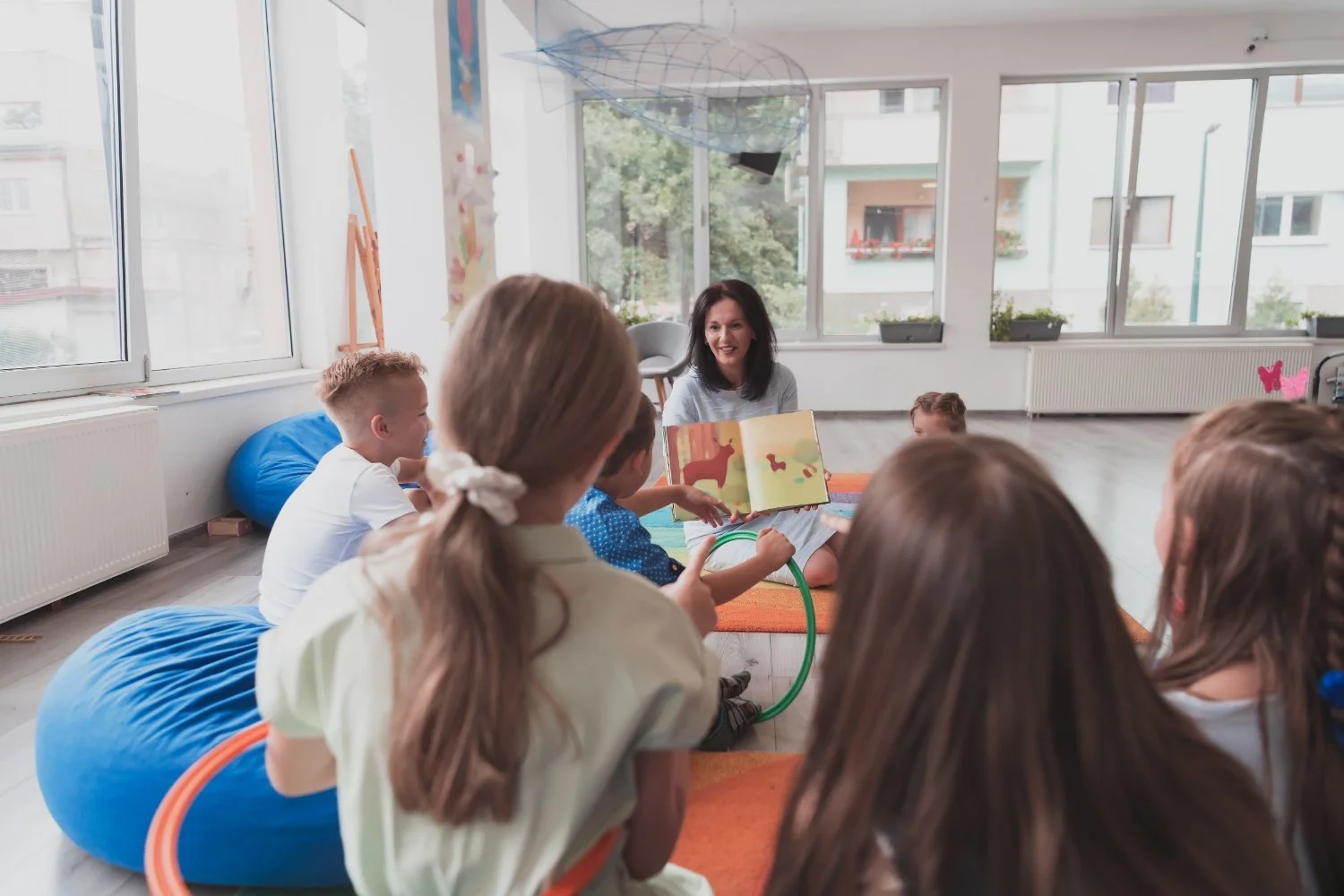
Classroom discussion of literature with representation of people with disabilities
After a read-aloud, teachers should guide students in a discussion of what they have just read to increase understanding and make connections to themselves and the real world. In general education classrooms, teachers should encourage all students to participate in discussions. Some topics for discussion can include:
The definition of disability present in the narrative
The ways a character’s disability affects their relationships with family, friends, school, and the wider world
How the characters with disabilities are treated in the narrative
Challenges that the characters face
Students must understand that disability is not a static, general definition. Each individual’s experience is unique and continuous. Students should also recognize that disability is part of a person’s experience of the world. It is one aspect of the complex, unique characteristics that make up an individual. Teachers can encourage students to connect with their own lives, finding aspects of the characters that are similar to themselves.
Books to incorporate into lesson plans for increasing disability representation in early childhood classrooms
For additional reading about incorporating disability representation into general and special education classrooms via child and young adult literature, educators can checkout the following books and articles:
Teaching About Disabilities Through Children’s Literature, Mary Doty (Brigham Young University) & Tina Taylor Dyches (Publication date, February 28, 2008)
Adomat, D. (2014) 'Exploring Issues of Disability in Children's Literature Discussions', Disability Studies Quarterly. 34(3) doi: 10.18061/dsq.v34i3.3865
Hayden, H. E. & Prince, A (2020) ‘Disrupting Ableism: Strength-based representation of disability in children’s picture books,’ https://doi.org/10.1177/14687984209817
The resources above provide book reviews for general classroom educators and preservice teachers to expand students’ understanding of those with special needs through language arts. In the table of contents of Mary Doty and Tina Taylor Dyches’ book, you will find lesson plans, unit plans, and samples of worksheets for classroom activities.
To get started, educators can checkout the picture books listed below. These children’s books include a mix of true stories and fiction for discussion in the classroom:
“How I Learn: A Kid’s Guide to Learning Disability” (Miles & Patterson, 2015)
“All the Way to the Top” (Pimental, 2020)
“Crow Boy” (Yashima, 1976)
“My Three Best Friends and Me, Zulay” (Best, 2015)
“What Happened to You?” (Catchpole, 2021)
“We Move Together” (McGuire & Fritsch, 2021)
“All My Stripes: A Story for Children with Autism” (Rudolph & Royer, 2015)
“Baxter Turns Down His Buzz: A Story for Little Kids About ADHD” (Foley, 2016)