Disability Literature for Young Readers
Every Story is an Invitation. You don't need a curriculum or a classroom to change how a child sees the world. You just need the right book and a willingness to read it together.

Three criteria for every book on this list
1. Disabled character at the center
This disabled character is neither a sidekick, nor a lesson for others. Instead, they are the protagonist of their own story.
2. Authentic voice
Written or co-written by disabled authors wherever possible.
3. No pity
Disability is part of life, not something to fix or cure.
Advocating for disability representation
Children's literature has the power to shape how the next generation sees the world — and each other. Despite growing awareness, children with disabilities remain significantly underrepresented in picture books. Advocacy starts here: with the books we choose, the conversations we have, and the stories we tell.
What parents can do
- Read disability-inclusive books with your child at home, and use these stories as a starting point for conversations about difference, belonging, and kindness.
- When your child asks questions about disability, welcome them. Curiosity is the beginning of empathy; answer honestly and age-appropriately.
- Request disability-inclusive books for your child's classroom and school library. Share our recommended list with your librarian or teacher.
- Donate books from our recommended list to your child's school or local public library.
- Advocate at school board and PTA meetings for diverse and inclusive library collections.
What educators can do
- Audit your classroom library. Do your books reflect the full range of abilities your students bring to school?
- Feature disabled characters as protagonists.
- Use the lesson plan resources on this site to build disability awareness into your curriculum.
- Model respectful, person-first and identity-first language in how you discuss disability with students.
What communities can do
- Advocate for disability-inclusive collections at your local public library.
- Support authors with lived experience of disability.
- Partner with disability organizations to host reading events, author visits, and awareness programs.
- Push for accessible playground equipment, sensory-friendly library hours, and inclusive programming that reflects the full community.
- Share this website with other parents, educators, and caregivers in your community.
Books we love
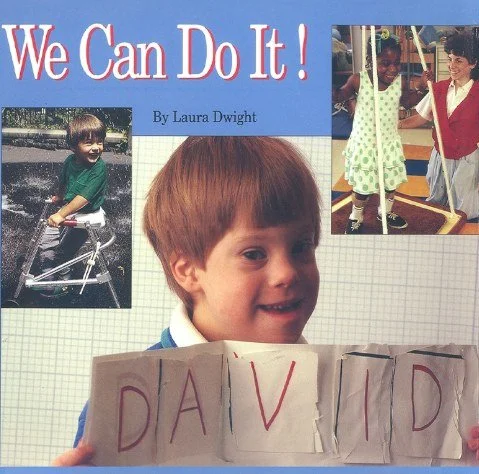
We Can Do It!
Laura Dwight
Ages 3–6Photographs and stories of five children with different disabilities, showing all the things they can do every day.
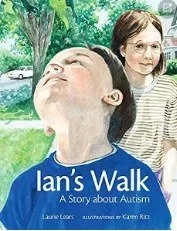
Ian's Walk: A Story About Autism
Laurie Lears
Ages 4–8Ian experiences the world differently than his sisters during a walk to the park. A gentle, empathetic story about autism seen through a sibling's eyes.
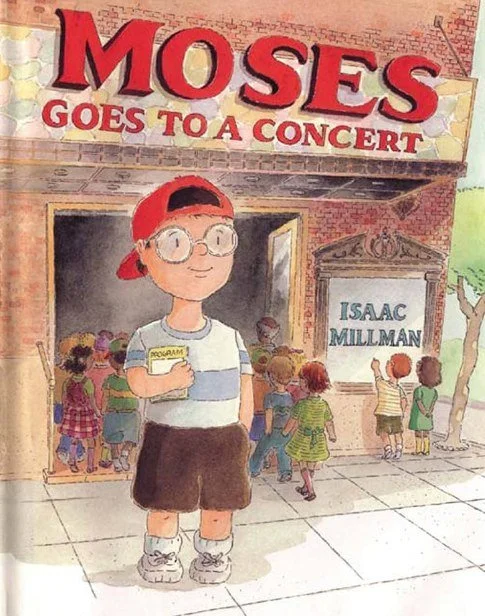
Moses Goes to a Concert
Isaac Millman
Ages 4–8Moses, who is deaf, attends a concert and discovers that music can be felt as well as heard. A joyful celebration of deaf culture and inclusion.
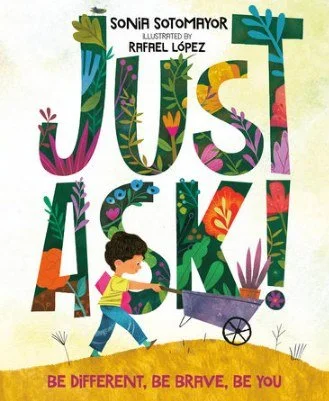
Just Ask! Be Different, Be Brave, Be You
Sonia Sotomayor
Ages 4–8Written by Supreme Court Justice Sonia Sotomayor, this book features children with a wide range of disabilities working together in a garden, celebrating what makes each of us unique.
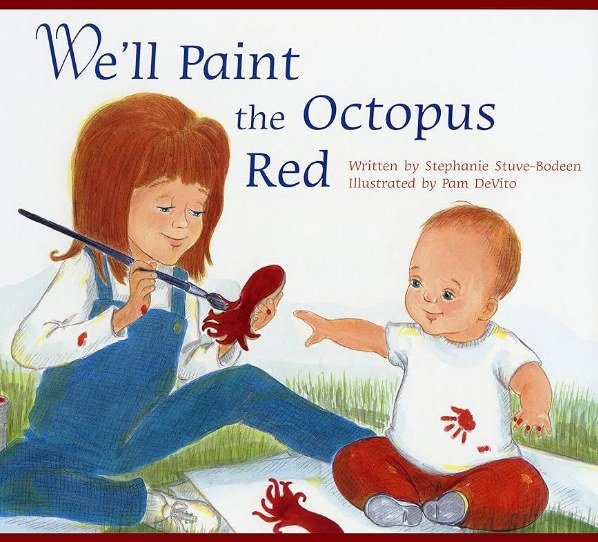
We'll Paint the Octopus Red
Stephanie Stuve-Bodeen
Ages 4–8When Emma's new baby brother is born with Down syndrome, she discovers all the wonderful things they can still do together. A warm story about love, acceptance, and possibility.
Susan Laughs
Jeanne Willis
Ages 3–6A simple, beautiful book showing Susan doing all the things children do, singing, swimming, riding, before revealing on the last page that Susan uses a wheelchair.
A Friend for Henry
Jenn Bailey
Ages 4–8Henry, who has autism, is searching for a friend, someone who will share, take turns, and be kind. A tender story about connection and what friendship really means.
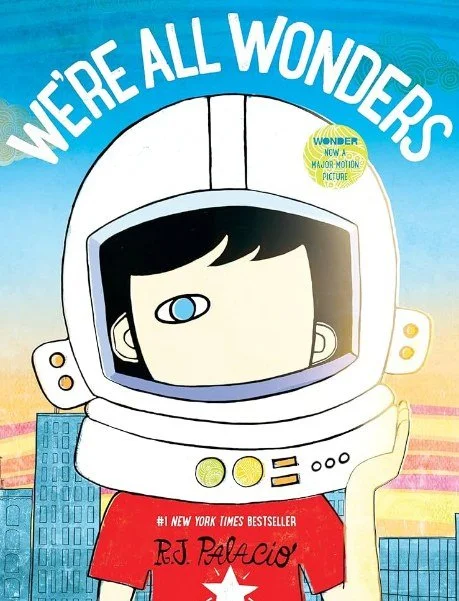
We're All Wonders
R.J. Palacio
Ages 4–8Auggie just wants to be ordinary, but no one is. A gentle, powerful introduction to kindness and acceptance of difference, perfect for the very youngest readers.
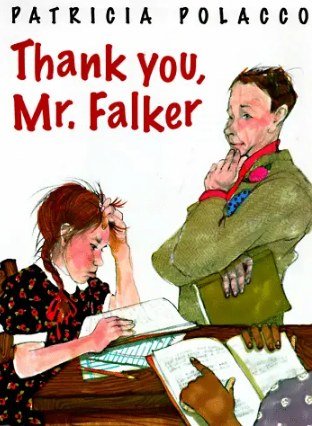
Thank You, Mr. Falker
Patricia Polacco
Ages 5–8Based on the author's own experience, Trisha struggles with reading while her classmates learn with ease. A deeply moving story about a teacher who recognizes her gift and changes her life.
This Is How We Play
Jessica Slice, Caroline Cupp & Kayla Harran
Ages 4–8Written by disability activists, this book shows children with a wide range of abilities finding creative, adaptive ways to play together. A joyful guide to inclusive play.
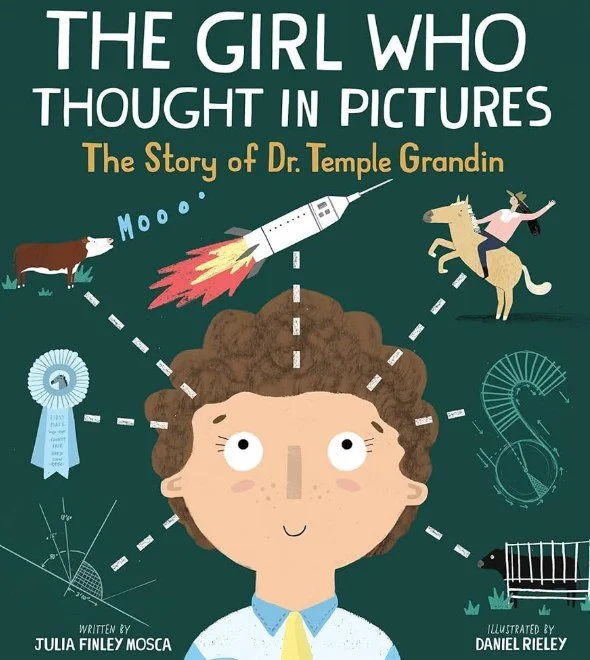
The Girl Who Thought in Pictures
Julia Finley Mosca
Ages 4–7The true story of Temple Grandin, a child who saw the world differently and changed it. A beautiful, empowering introduction to autism for young readers.
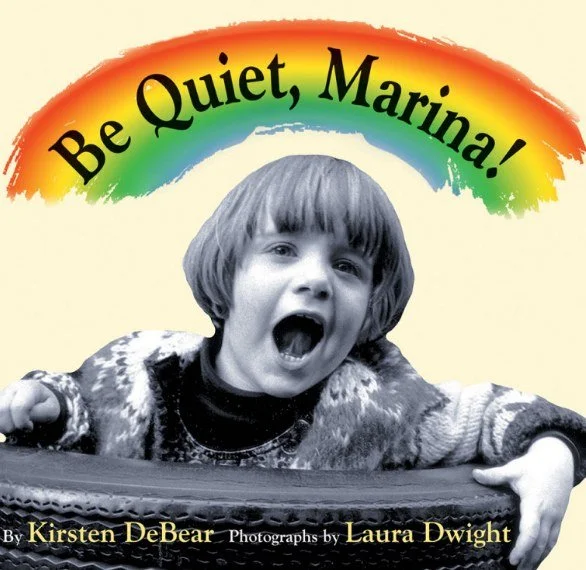
Be Quiet, Marina!
Kristen DeBear
Ages 3–6Two girls, one with cerebral palsy, one with Down syndrome, seem too different to be friends, until patience and persistence reveal a joyful bond neither expected.
Choosing the right book is half the work. The other half happens in the reading, in the pages, the questions, and the conversations that follow.
How to use these books well
The best books are only as powerful as the conversations they spark. Here's how to guide those moments.
Preview the book first
Read it yourself before sharing. Think about what children might ask, and how you'll answer with honesty and warmth.
Read slowly, pause often
Let children study the illustrations. Ask "What do you notice?" and "What's happening here?" before turning the page.
Welcome all questions
Children ask direct questions. That's healthy! "Why does she use a wheelchair?" deserves a kind, factual answer, not redirection.
Use open-ended prompts
"How do you think [character] felt?" "What would you do?" Avoid yes/no questions, instead inviting imagination and empathy.
Connect to the real world
Notice how accessibility features in your community. Talk about friends, family, or classmates.
Follow up creatively
Invite children to draw a scene, write a letter to the character, or act out an ending. Creative response deepens empathy.
Coming soon
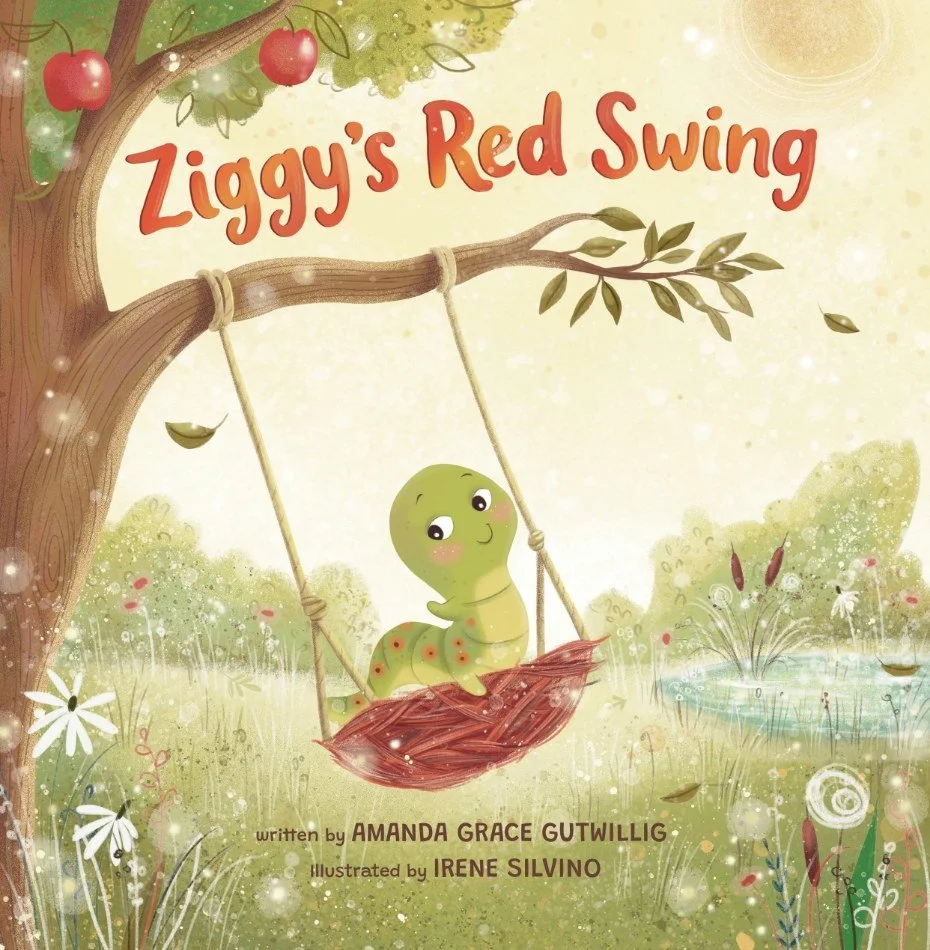
Ziggy's Red Swing
Amanda Gutwillig
Ziggy the inchworm longs to join the other creatures at play but is excluded because of his difference. Ziggy is a picture book about patience, belonging, and the quiet strength found in being different.
illustrated by Irene Silvino