Teaching disability awareness in your classroom
The goal of disability literature is not just empathy and inclusion, but fair and equitable treatment in both the classroom and society. Through picture books, children can learn not only to understand and embrace our differences but also ultimately to advocate for the rights of people with disabilities. By reading and incorporating these books into the curriculum, educators can build meaningful disability lesson plans. Engagement with disability literature can help shape a new generation of young people who advocate for disability rights.
Change happens gradually, or "inch by inch," as Ziggy in Ziggy's Red Swing would say. A sense of belonging, friendships, and acceptance can start with sharing a picture book. The message of disability representation in children's books should transcend and apply to other marginalized communities, fostering understanding and compassion across society. DISABILITY comes from the Latin prefix dis, meaning apart, asunder, or away, joined with ability. Literally, disability means away from ability, a negative designation. It's time to emphasize the ABILITY portion of disability and advocate for meaningful change.
Mirrors, windows & sliding glass doors
In 1990, Dr. Rudine Sims Bishop gave educators a framework that remains just as relevant today. She described three things a children's book can do for a child: act as a mirror, a window, or a sliding glass door. These three types of stories allow for self-reflection, new perspectives, or a step into our shared experiences and our differences. When children cannot find themselves in books, that absence teaches them they do not have an accepted place in the world.
Mirrors
Children want to see themselves in the stories they read. Stories are a way to understand how they fit within the world and how the world sees them. For a child with a disability, that recognition can be rare.
Windows
Windows let children look into lives and experiences different from their own. For a child who has never met a disabled person, a story can open a window that a lesson plan alone cannot. These narratives ultimately foster understanding and empathy.
Sliding glass doors
A sliding glass door lets the reader not just look in, but step into the world the author has built, and feel part of it. Rather than observing from a distance, children come to identify with the character, and that connection is where meaningful change begins.
Representation and inclusion are two sides of the same goal. Here's how the second one works in practice.
Presence Is Not Inclusion
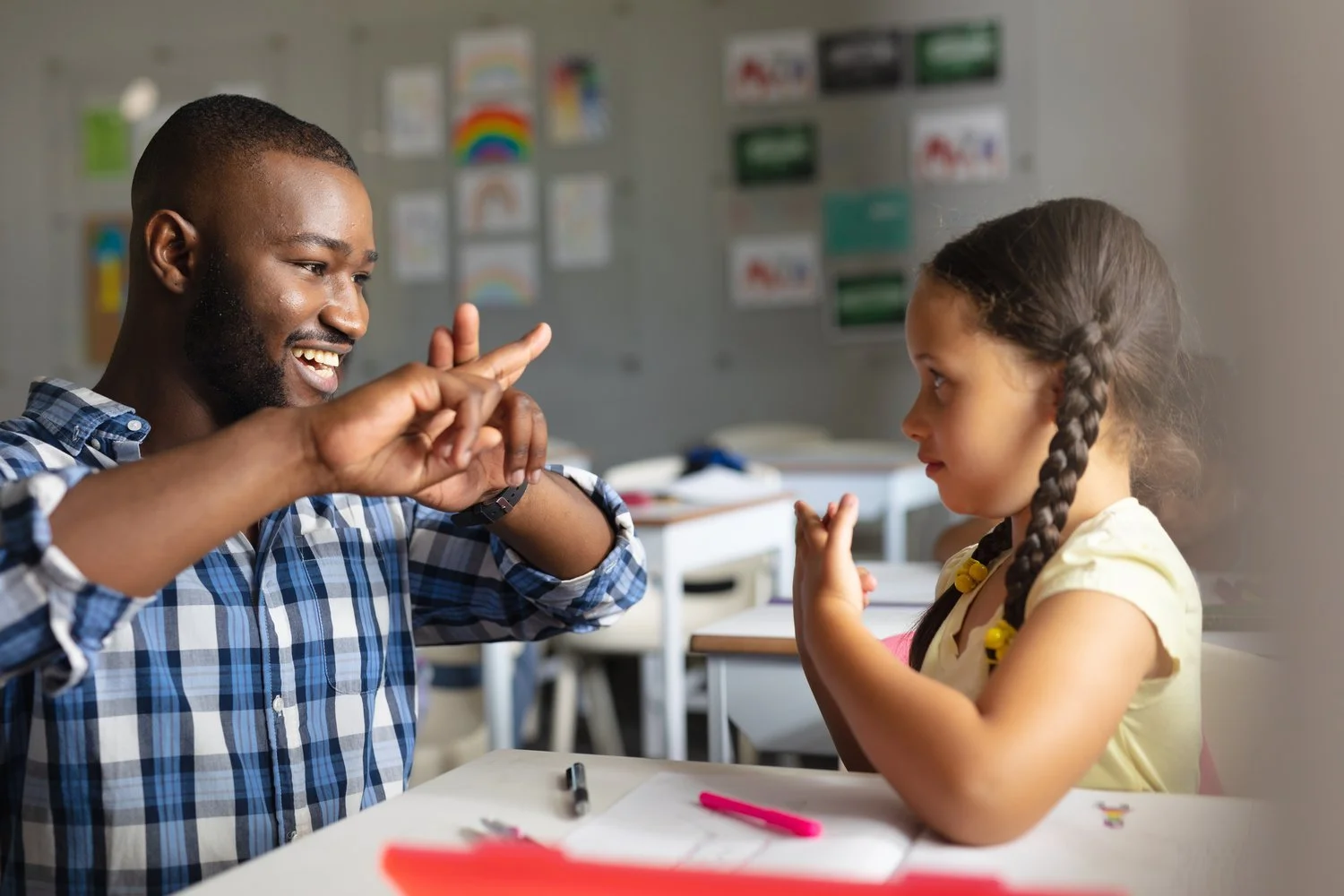
Simply including a child with a disability in your classroom or stocking books about disabilities on the shelves does not constitute inclusion. Teachers may need to move beyond their current practices toward fostering genuine equity and belonging.
Presence
The presence of a disabled student or a book about disabilities is the bare minimum. Without accommodation, support, and participation, the child will be isolated and excluded. The book will languish, undiscovered.
Participation
Participation without engagement keeps the child's needs at the edge of the classroom rather than at its center. When a student takes part in a separate or modified way, their difference can become what stands out, instead of their ideas, their voice, or their place in the group.
Belonging
Inclusion at this stage means the child feels they belong. Their difference is not seen as something that needs to be hidden or minimized. They are accepted as they are.
Equity
Equity asks how to design the classroom or the playground from the start to include and accommodate children with disabilities, creating an environment of genuine inclusion.
Applying the framework to your classroom library
Presence
Are there books featuring disabled characters as main characters on the shelf?
Participation
Are these books integrated into the curriculum and discussions?
Belonging
Have the books been carefully selected to include positive representations of disability or role models, rather than portraying them as secondary characters or victims?
Equity
Are books selected intentionally to include authors with lived experience of disability?
The right book can change everything.
You don't need a whole curriculum to build empathy in a child. You just need a story, a comfortable spot, and a willingness to read together.
Browse Books for Young Readers →Seven questions to ask as you build your library
Not every book about disability serves children well. As you decide which titles to bring into your classroom, these seven questions can help you choose stories that represent disabled characters with depth, dignity, and truth.
Is the disabled character central?
Is the protagonist disabled? Are they integral to the story's development, rather than a sidekick or a lesson?
Whose point of view is it?
When a story is told through the point of view of a non-disabled character, the disabled character can end up observed rather than understood. The best books are usually told from the disabled character's own perspective, though there are exceptions.
Who wrote or illustrated it?
Was it created by someone with lived experience of disability? Books drawn from one's own life read differently and are worth seeking out.
How is the disability portrayed?
Many books frame disability as pitiable or, conversely, as a "superhero" triumph. Look instead for a complete person with both strengths and weaknesses.
What can the character do?
Does the story define the character only through their limitations, or does it show the whole person and everything they're capable of?
Are the relationships authentic?
Are friendships built on shared connection and real interests? Does the disabled character have agency over their own life?
How does the story end?
Is the character's disability accepted as part of who they are, or does it need to be "cured" or "transformed" for the story to resolve?
Books in the classroom
Reading these picture books aloud
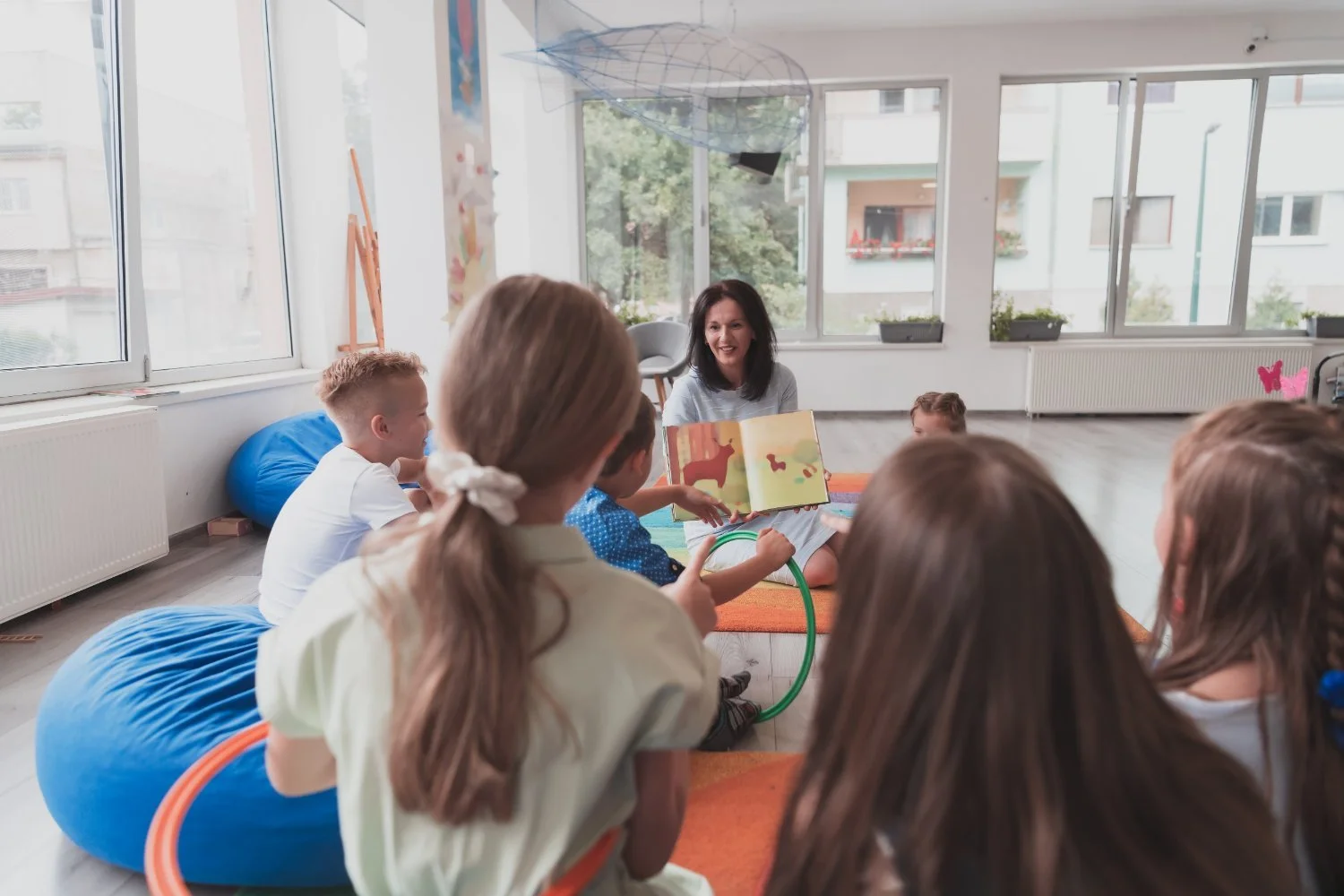
Reading disability-themed picture books aloud promotes equity and inclusion while also building literacy. Furthermore, read-alouds give young children room to ask questions and share their thoughts, and when teachers choose meaningful stories, they help foster understanding, empathy, and real social change.
Slow down at the illustrations
Begin by asking children what they notice. This question naturally leads into meaningful conversations about the differences they observe.
Explain differences when asked
What makes the character look, speak, move, or act differently? Explain why a character uses a wheelchair, and, to older children, why some disabilities are "invisible."
Allow for mistakes and wrong answers
Exploration starts with questions. Some children assume, for example, that blind people hear better than everyone else. Listen, invite discussion, then gently offer accurate, age-appropriate information.
Keep the characters in the classroom
After the book is finished, continue with coloring, games, or discussion. Carrying the story beyond the page helps the characters, and their perspectives, stay with the children.

Books Beyond The Classroom
Everywhere, not just school
The framework applies to all public spaces, libraries, waiting rooms, and home bookshelves to foster disability awareness.
What belonging looks like
Belonging occurs when a child with a disability can walk into a library and find a variety of books featuring disabled characters as heroes, friends, and positive role models.
Share it forward
Share these concepts with your school, local library, city council, Department of Education, or Parent-Teacher Association.
Trusted resources for every classroom
Disability Equality Education — Lesson Plan Library
Downloadable lesson plan library covering kindergarten through 12th grade, designed and approved by disabled people. Includes book-based lessons, civil rights themes, and customizable resources for classroom or community use.
disabilityequalityeducation.org →Learning for Justice — Disability Awareness Lesson Plans
A free educator-trusted platform from the Southern Poverty Law Center offering disability-inclusive lesson plans, classroom activities, and discussion guides. Connects disability awareness to broader themes of equity, belonging, and civil rights.
learningforjustice.org →Changing Perspectives — Elementary Disability Awareness Curriculum
A comprehensive, customizable curriculum with 180+ standards-aligned lesson plans covering PreK through high school. Includes book discussions, videos, family newsletters, and annual updates. Aligned with CASEL social-emotional learning standards and the Common Core.
changingperspectivesnow.org →PBS LearningMedia — Disabilities and Inclusion
Free teacher-created lesson plans, videos, and interactive resources on disability awareness and inclusion. Part of the Move to Include initiative. Widely used in classrooms and aligned to state and national standards.
pbslearningmedia.org →National Center for Learning Disabilities (NCLD)
A leading nonprofit dedicated to improving the lives of the 1 in 5 children with learning and attention differences, including dyslexia, ADHD, and processing disorders. Provides free educator resources, research-based guides, and classroom tools.
ncld.org/resources →