Why Children's Picture Books Matter
In our current world, unfortunately, difference is often misunderstood and inclusion has to be taught. Research suggests that children tend to prefer playing with their typically abled peers over those with disabilities. When we introduce children to disability narratives through picture books, young readers gain exposure to the complexity of disability, which in turn helps promote lifelong acceptance of people with disabilities.
Ultimately, a good selection of children's picture books in every classroom and home library should offer an early introduction to both people’s similarities and differences. For the classroom in particular, parents and educators should ask themselves, "Are there books available in the classroom that meet the needs of all students?" This is the idea behind "Inclusion Literature," a term coined in 1998 by Sharon E. Andrews, that a child’s library should reflect our diversity of abilities. Just as disability and ability exist within the world, children should see these concepts in the books they read at school and at home.
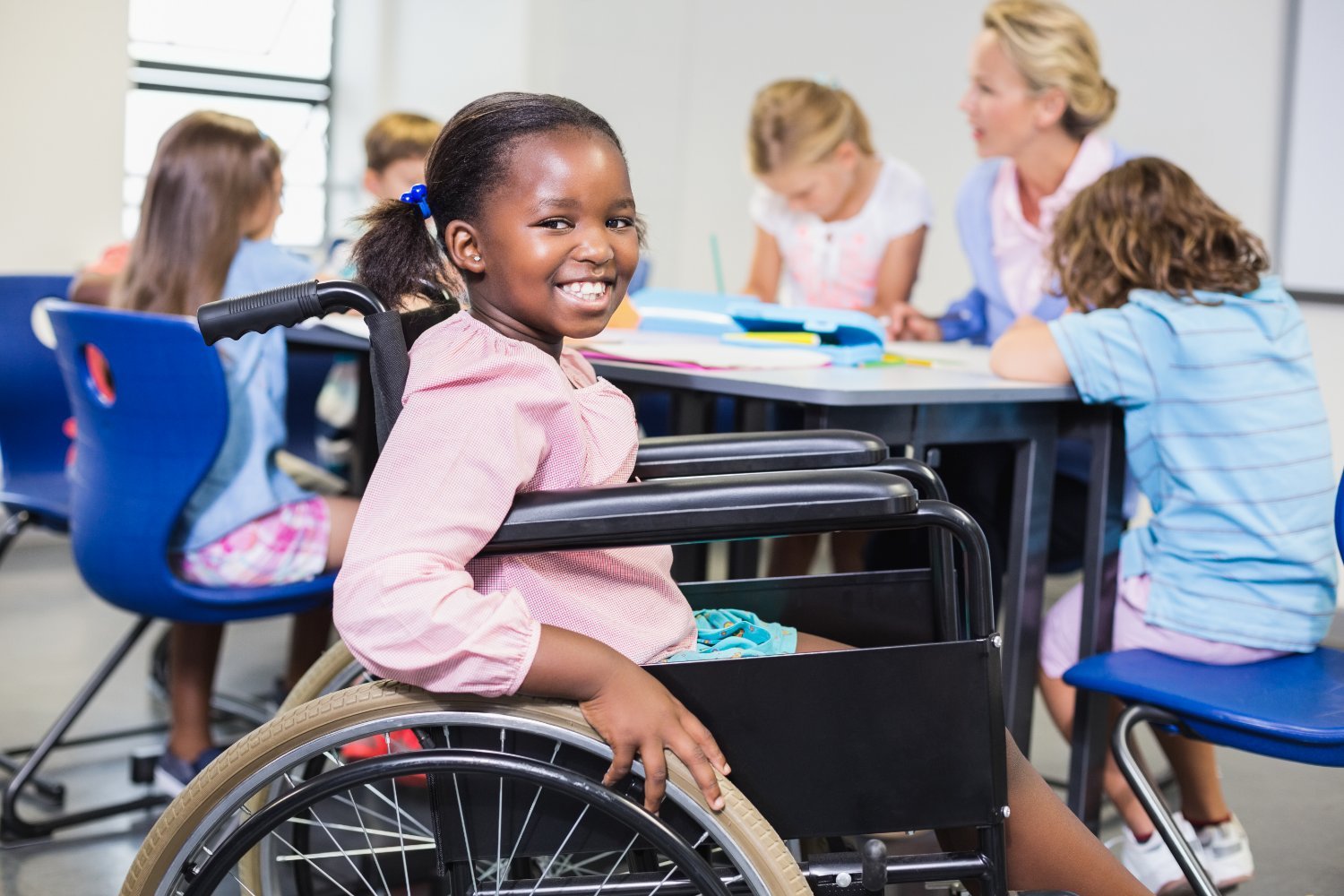
The History of Disability Representation in Children's Literature
Children's picture books of the 20th century often excluded characters with disabilities. Characters were uniformly homogeneous, with no visible differences. Disabled characters remained invisible.
Whether publishers saw the material as unmarketable or too depressing, there was little or no interest in disability literature. When disabled characters were included, they were often portrayed in stereotypical or negative ways. The current increase in disability literature and self-published books by authors with a personal connection to disability is attempting to bridge this void.
The Evolution of Disabilities in Children's Literature
In the past, when disabled characters were featured in children’s literature, narratives tended to center on two main themes: the medical and social models.
The medical model defines disability as a disease that needs to be treated, prevented, or cured. The social model focuses on the social barriers disabled individuals face, which are shaped more by society's expectations than by the disability itself. Neither of these models captures the fullness and the complexity of living with disability, nor do they ultimately foster inclusion and empathy.
How Should Disability Be Represented in Children's Books?
People with disabilities need to see themselves represented in children's literature in a positive way. We need to feature fully complex protagonists with disabilities. These characters should neither be portrayed as superheroes nor as individuals in need of a medical cure.
Depicting disabled people interacting with peers, forming friendships, playing in the park, and going to school, these are the ordinary moments of inclusion that need to be represented. When we showcase the full humanity of disability through complex characters whose experiences are both ordinary and singular, as everyone’s are, we can effect social change for children, teachers, caregivers, and parents.

What Makes a Picture Book About Disability Effective?
Experts, such as special education scholars Marie Tejero Hughes and Juana Abarca, have identified key themes that teachers consider essential for disability representation in children's picture books.
- Inclusive Friendships
- Acceptance and Self-Identity
- Overcoming Challenges and Resilience
This makes good sense. Inclusive friendships are essential for all children. Children, especially those with disabilities, want to feel valued and included by their peers. Furthermore, self-identity and the embrace of one's individuality are central to a healthy childhood for all children. Ultimately, resilience and determination allow perseverance to become the heart of the story, rather than the disability itself.
By including characters with disabilities in picture books, literature can help children learn to see the world from different perspectives. One of the great powers of children's books is that they can educate young readers about disability even before they encounter anyone with a disability. In effect, picture books can lead to more positive interactions between disabled and non-disabled students.
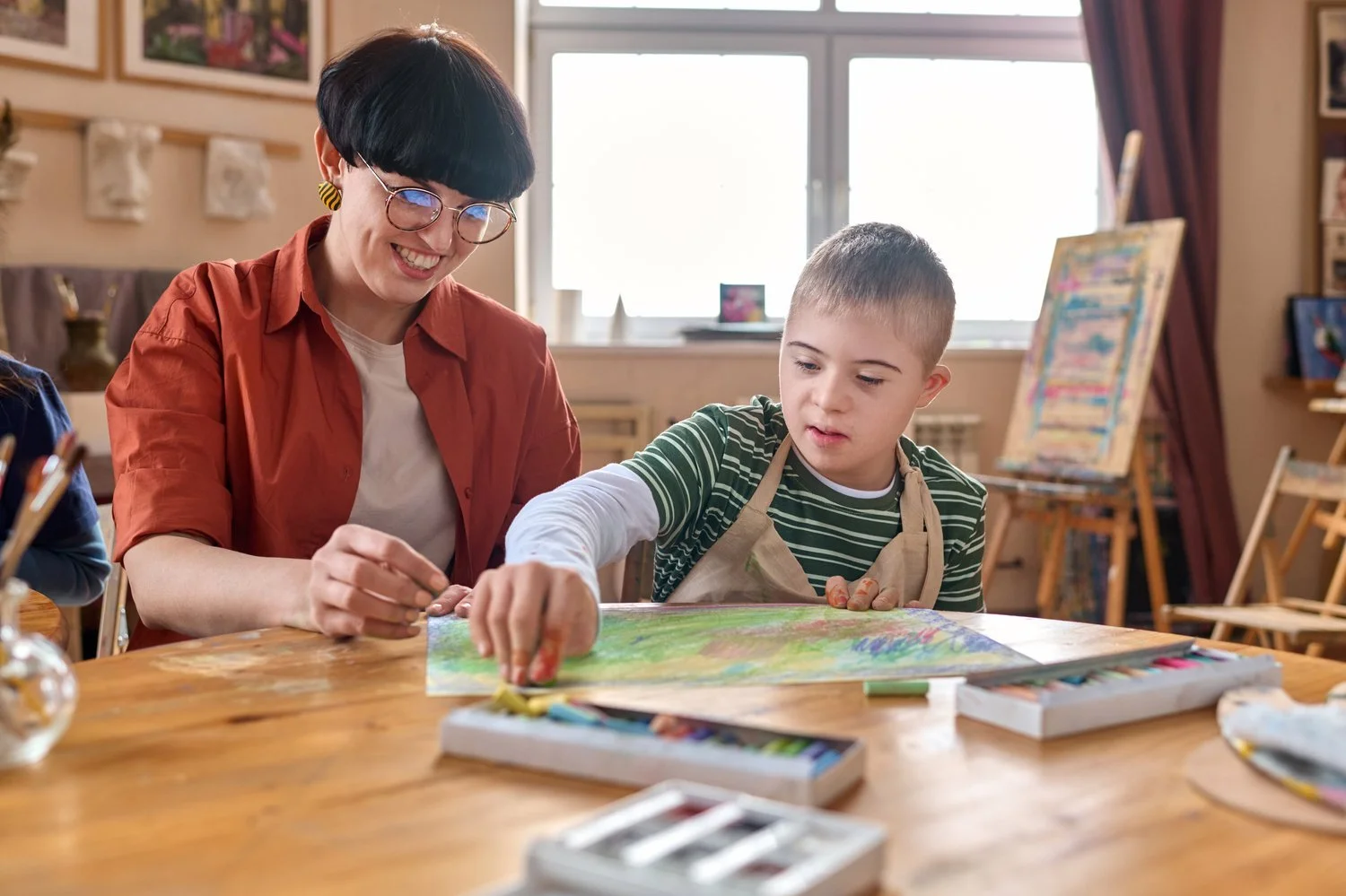
Selecting Children's Books That Represent Disability with Integrity
Recommended Books →In the past, children's books featuring characters with disabilities often portrayed them as observers or emphasized their differences. By relegating disabled characters to the periphery or characterizing their identity through their disability, they were represented mostly in a negative light. Conversely, some books idealize disabilities and ascribe "superpowers" to them as a means of compensating for their disability. An honest portrayal of disability is the key to understanding and inclusion.
By highlighting strengths rather than simply differences, disability can be represented with integrity and depth. When a disabled character is featured as an integral part of the story, their strengths can emerge and be on full display. The ultimate goal is to foster empathy for all children that translates into acceptance and understanding in daily life. If children learn to understand and view the world from a disability perspective, reading can help foster kindness, inclusion, and compassion. The books we have recommended have been carefully selected with these principles in mind.
Representation beyond the page
The work doesn't stop at books. Daniel's Swing Project installs adaptive swings in public parks, because belonging shouldn't end when you close the cover.
Read about the project →