Stories teach us to see each other
Children's picture books are one of the most powerful tools we have to educate young readers about disability. Good storybooks encourage meaningful conversations and build deep, lasting empathy. By embracing our differences, we can foster compassion and understanding among young children.

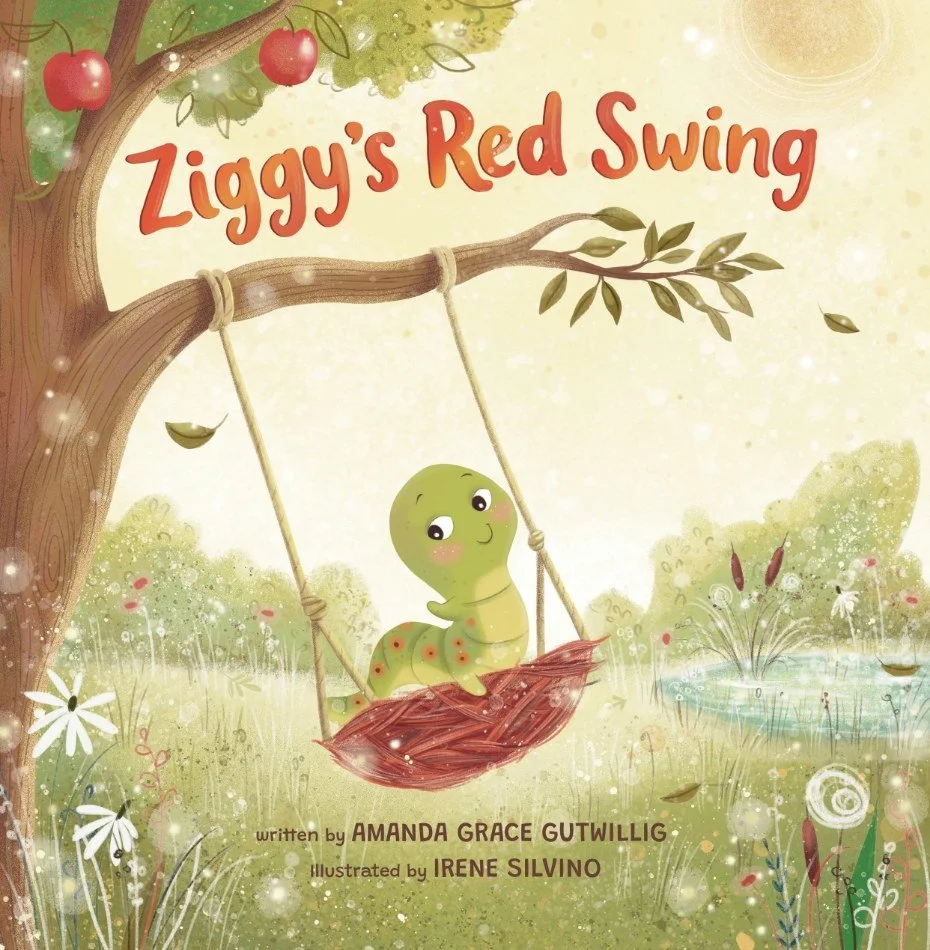
A picture book for every kind of child
Inspired by my brother Daniel and the red adaptive swing he loved at our neighborhood park, Ziggy's Red Swing is a story for children who haven't seen themselves in books — and for the children learning alongside them.
Find what you came here for
Perspective-Taking
Fiction activates the same neural pathways as real experience. When readers inhabit a character's life, they genuinely practice seeing the world differently. This process engenders an empathy that lasts.
Early Education
Children who read about disability from an early age develop more inclusive attitudes, are more likely to befriend disabled peers, and carry these values into adulthood.
Opening Conversations
Books give families, classrooms, and communities a structured way to discuss disability. These books provide a space to discuss questions that might otherwise feel awkward.
Mirrors & Windows
For disabled readers, representation of disability is a mirror, validating their experience. For non-disabled readers, it's a window into lives they may never encounter.
Challenging Stereotypes
Good disability literature moves beyond tropes of pity or inspiration. It shows complex, joyful human beings. The goal is to dismantle harmful narratives one story at a time.
Building Inclusion
Schools and workplaces that prioritize this kind of literature report more inclusive cultures. Stories normalize access needs and make accommodation feel natural.

Why Promote Children's Disability Literature?
According to the WHO, approximately 16% of the world's population, or 1.3 billion individuals, "experience a significant disability." As the number of individuals in the world with disabilities increases and greater numbers of students with disabilities are included in classrooms, we must advocate for a more inclusive vision of education. One of the most effective ways to foster understanding and empathy for people with disabilities in the classroom is through stories.
By introducing children to stories that highlight individuals with different backgrounds and abilities, we are challenging stereotypes and promoting empathy and inclusivity. In this way, children's books can foster an understanding of disability among children as young as preschoolers.
But this only works if children's books that tell good, complex stories about disability exist. A 2019 study by the Cooperative Children's Book Center found that only 3.4% of children's books featured a main character with any disability. As a result, most disabled children rarely see picture books that feature characters with disabilities. Similarly, non-disabled children are growing up without exposure to literature about disability.
This is a huge loss. Children's literature could be a critical tool for raising awareness about disability and promoting empathy and inclusion among all children. These attitudes, when acquired at a young age, shape how they treat their friends, neighbors, and community members for the rest of their lives. For families raising a child with a disability, this is not an abstract need. Rather, it is a much-needed chance for their child to see themselves in stories and thus feel more included in the larger world.
Find out more about Why It Matters →A red swing in Carl Schurz Park
My brother Daniel was nonverbal, used a wheelchair, and his greatest joy was the red adaptive swing at our neighborhood park. The book, this site, and the swing installation in April 2026 all started with him.
Read the full story →